Flowers Papercut Card Template SVG 6 Review
As a designer who has spent years navigating the intersection of digital files and physical thread, I approach every new asset with a critical eye. The market is flooded with generic patterns, but finding a machine embroidery design that translates well from screen to fabric is a different challenge entirely. Today, I am evaluating the Flowers Papercut Card Template SVG 6. At first glance, this file sits in the Cards And Invites category, which might suggest it is strictly for paper crafting. However, the intricate nature of 3D SVG files often presents unique opportunities for textile applications if we know how to manipulate them correctly.
The First Impression: Visual Weight and Complexity
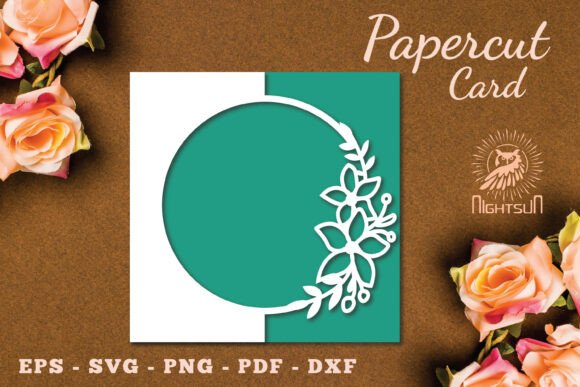
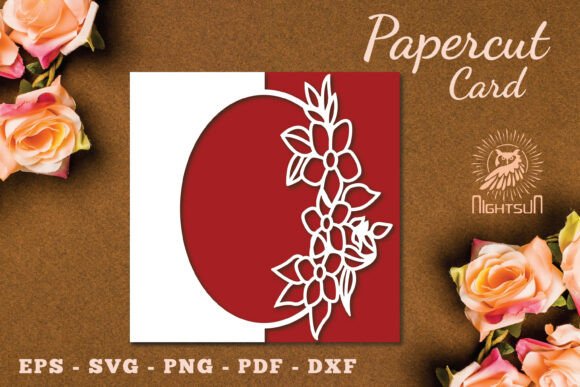
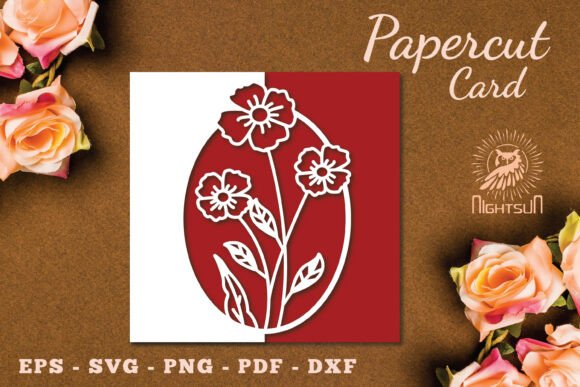
When I opened the digital embroidery file assets provided—specifically looking at the High Quality PNG and the vector outlines in AI CS6—the immediate mood was one of delicate elegance. The "papercut" aesthetic relies heavily on negative space and interlocking layers. In the world of paper, this creates depth without weight. In embroidery, however, those same negative spaces can become challenges for stitch density and structural integrity.
The visual personality of Flowers Papercut Card Template SVG 6 is sophisticated. It feels less like a simple floral motif and more like an architectural study of petals and leaves. For a craft business owner or an Etsy seller, this kind of design screams "boutique." It has the potential to elevate a basic finished product into a high-end piece. But here is the reality check: complexity in a vector file does not always equal beauty in thread. We have to ask ourselves if the intricate details will hold up under the stress of a sewing machine needle.
Real-World Application: From File to Fabric
Let's imagine a real scenario. You are preparing a custom order for a wedding boutique. The client wants a set of embroidered pillow covers featuring a floral theme that matches their invitation suite. They hand you the Flowers Papercut Card Template SVG 6 because they love the look of the invitation. How do we translate this?
If we attempt to stitch this directly as a dense fill, we risk puckering the fabric. The interlocking nature of the papercut style means there are many small, isolated areas. On a textured fabric like linen or canvas, these tiny sections might get lost or cause the thread to break. Instead, I would recommend treating this as an applique design concept. By using the outer contours of the flowers as cut-out shapes and stitching them down with a satin border, we preserve the "cutout" illusion while maintaining the durability needed for a home decor item.
This approach works exceptionally well for custom apparel items like tote bags or heavy-weight sweatshirts. Imagine a dark navy sweatshirt embroidery where the white thread of the flower stands out against the background. The stitch density needs to be carefully managed here. If the design is too dense, the garment becomes stiff; too sparse, and the image looks unfinished. The thread colors also play a massive role. Because the design is so detailed, using a single color might flatten the image. A two-tone approach, perhaps using a slightly darker shade for the inner layers, could mimic the shadowing effect seen in the original 3D rendering.
Navigating Challenges: Where Caution is Key
While the potential is high, Flowers Papercut Card Template SVG 6 is not a "load and go" design for every situation. There are specific contexts where this file requires extra care.
- Small Hoop Sizes: The intricate details of this design demand a larger workspace. Trying to fit the full composition into a 4x4 hoop will likely result in lost details and registration errors. Always check your hoop size requirements before committing to a project.
- Stretchy Fabrics: This design features fine lines and sharp corners. On stretchy materials like jersey knit or spandex, the tension required to stitch these details can cause the fabric to warp. A strong stabilizer is non-negotiable here.
- Detailed Corners: Papercut styles rely on sharp points. Embroidery machines naturally round off corners. If the design includes tiny lettering or extremely fine tips, they may not render clearly. It is wise to test the design on scrap fabric first to see how the machine handles the tightest curves.
- Frequent Washing: For items like kitchen towels or baby clothes, the longevity of the design matters. Dense stitch areas in thin fabrics can wear out faster. If you are creating a baby embroidery item, ensure the back of the stitching is clean and secure to prevent snagging.
Strategic Use for Business and Branding
For the small shop product creator, the value of Flowers Papercut Card Template SVG 6 lies in its ability to create a cohesive brand identity. If you sell both paper goods and textiles, using this same motif across mediums creates a powerful visual link. A customer who buys your invitation suite might return later to buy a matching embroidered patch or a personalized gift bag.
However, before listing these items, you must confirm the licensing terms. The product description lists formats like SVG, AI, EPS, PDF, and DXF, which suggests versatility, but it does not explicitly state commercial rights for finished goods. As a responsible designer, always verify if you are allowed to sell the finished product containing this design. Selling the digital file itself is usually restricted unless you have a resale license.
From a marketing perspective, this design excels in printable mockups. Even if you haven't stitched it yet, you can create stunning visuals for your online store by placing the PNG over photos of blank totes or aprons. This helps customers visualize the final look and increases buyer engagement. The professional appearance of the design builds trust, signaling that your handmade product is crafted with precision.
Practical Designer Notes for Success
To truly unlock the potential of this asset, follow these practical steps before starting your main project:
- Test on Scrap Fabric: Never skip this step. Stitch a small section of the most complex part of the design on the actual fabric you plan to use. Check for thread breaks and puckering.
- Review Stitch Density: Open the file in your embroidery software. If the fill stitch is too tight, reduce the density slightly to allow the fabric to breathe.
- Check Color Contrast: Compare light and dark fabric backgrounds. A design that pops on white might disappear on black if the thread isn't bright enough.
- Use Proper Stabilizer: Given the intricate nature of the papercut style, a tear-away or cut-away stabilizer is essential to support the stitches during the process.
- Inspect Small Details: Zoom in on the smallest elements. If they are smaller than the width of your needle, consider simplifying them or removing them entirely to maintain clarity.
In conclusion, Flowers Papercut Card Template SVG 6 is a beautiful asset that bridges the gap between paper art and textile design. It offers a unique opportunity for commercial embroidery projects that require a touch of sophistication. While it demands careful preparation regarding stitch density and fabric choice, the reward is a personalized gift or retail item that stands out in a crowded market. Whether you are decorating a holiday gift, creating a tote bag design, or expanding your design assets library, this file has the potential to add significant value to your work—if handled with the right technical skill.