Joined Hearts Wide Window - Drawer Box Review
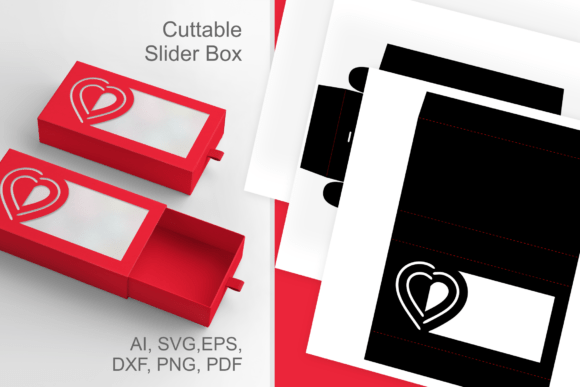
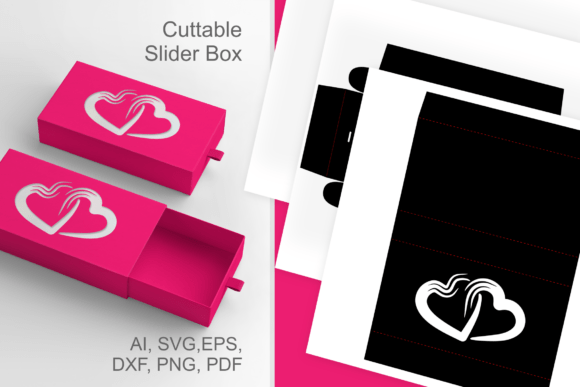
As a designer who spends countless hours testing files before they ever hit the needle, I approach every new asset with a critical eye. When I first opened the Joined Hearts Wide Window - Drawer Box, my initial reaction was one of curiosity mixed with caution. The product description markets this as an ultimate paper cut template for a 2-part sliding drawer favor box featuring a decorative wide cutout. While the primary intent is clearly for die-cutting or laser engraving to create physical boxes, the geometric precision and romantic theme make me wonder about its potential translation into textile applications. Can a design born for paper truly shine on fabric?
First Impressions: From Paper Cut to Thread Count
The visual personality of the Joined Hearts Wide Window - Drawer Box is undeniably strong. The "wide window" concept creates a sense of openness and lightness that is often lost in dense embroidery patterns. In the context of Valentine S Day projects, this open negative space allows for creative fill options that traditional solid hearts do not offer. However, as I analyzed the vector lines, I immediately began thinking about how these sharp corners and wide openings would behave under a machine's tension.
For a standard machine embroidery design, wide windows can be tricky. If you are planning to use this as a digital embroidery file for a custom apparel project, you must consider whether the "window" will remain open or if it needs to be filled with a specific stitch type. A simple running stitch outline might look too delicate on a heavy sweatshirt, while a dense fill stitch could obscure the unique "drawer" aesthetic entirely. The design feels like it belongs in high-end boutique packaging or perhaps as a structural element in a handmade product where the texture of the thread mimics the crispness of paper.
Real-World Application: Testing the Design on Fabric
Let's imagine a real-life scenario: You are an Etsy seller preparing a limited run of luxury gift sets for Valentine's Day. You want to include a personalized tote bag or a premium pillow cover that matches the custom favor boxes you are selling. This is where the Joined Hearts Wide Window - Drawer Box becomes interesting. Instead of embroidering the entire heart shape, what if you used the design as a guide for an applique design? You could cut the heart shape from a contrasting velvet or satin fabric and stitch around the "window" using a tight satin stitch.
This approach elevates the finished product significantly. The contrast between the soft, plush applique and the precise stitching would mimic the layered look of the paper box. For a sweatshirt embroidery project, this technique adds depth without overwhelming the garment with thread. Customers looking for holiday embroidery items often seek something that feels tactile and substantial. By treating the design as a structural layout rather than just a flat image, you increase the perceived value of your small shop product.
However, if you attempt to stitch this directly as a flat design on a thin tote bag design, you risk puckering. The wide open spaces mean less thread coverage to hold the fabric taut. On textured fabrics like canvas or linen, the stitch density needs to be carefully managed. If the design is too sparse, the underlying fabric texture might show through unevenly, ruining the clean lines of the "drawer" effect. Always test the design on scrap fabric first to ensure the hoop size accommodates the full width of the joined hearts without distorting the aspect ratio.
Navigating Challenges: Where Caution is Key
Not every project is suitable for this specific aesthetic. As a professional reviewer, I must advise against using the Joined Hearts Wide Window - Drawer Box on stretchy fabrics like jersey knit without heavy stabilization. The wide gaps in the design provide no support to the fabric, which can lead to shifting during stitching. Similarly, on dark fabrics, the lack of a dense background fill might make the white or light-colored threads appear muddy unless you use a top layer of water-soluble stabilizer.
Another critical consideration is the scale. The intricate details of the "wide window" cutout may get lost if you try to shrink the design down for a cap or a small embroidered patch. The essence of this design lies in its spaciousness. Reducing the hoop size too much will force the machine to bunch up the stitches in the corners, potentially causing thread breaks or skipped stitches. For baby embroidery, where softness is paramount, the sharp angles of the drawer box motif might feel too rigid unless softened by rounded stitch settings or a very fine thread weight.
Furthermore, if you are creating a commercial embroidery item that will undergo frequent washing, such as a kitchen towel or apron, you need to verify the durability of the open areas. Without a backing fill, the edges of the design are more exposed to friction. Using a tear-away stabilizer might not be enough; a cut-away option would provide the necessary longevity for these personalized gifts.
Enhancing Visual Appeal and Brand Consistency
When used correctly, the Joined Hearts Wide Window - Drawer Box can become a signature element for your brand. The unique geometry sets your work apart from the sea of generic heart designs flooding the market. It signals attention to detail and a willingness to experiment with form. For a craft business, offering a product line that includes both the physical paper boxes and matching embroidered accessories creates a cohesive customer experience. This cross-medium consistency builds trust and encourages repeat purchases.
To maximize the impact, play with thread colors. Instead of the expected red or pink, try metallics or deep jewel tones to give the design a modern, sophisticated edge. A printable mockup showing the design on various backgrounds—cream linen, charcoal cotton, and even leather—can help potential buyers visualize the versatility. These digital assets are crucial for your online store, as they bridge the gap between a 2D vector file and a tangible finished product.
Practical Designer Notes for Success
Before committing to a production run, follow these essential steps:
- Test on Scrap Fabric: Always run a test stitch on the actual material you plan to use. Check for puckering in the wide window areas.
- Check Thread Contrast: Ensure the thread color stands out against the fabric, especially in the open sections where there is no fill.
- Review Stitch Density: Adjust the density settings in your software to prevent holes in the design or excessive bulk in the corners.
- Confirm Hoop Size: Verify that the design fits comfortably within your hoop without stretching the fabric.
- Inspect Small Details: Zoom in on the vector file to ensure the "drawer" lines are smooth and free of jagged edges that could cause stitching errors.
- Use Proper Stabilizer: Given the open nature of the design, a medium-to-heavy weight stabilizer is highly recommended to maintain shape.
- Verify Licensing: Since this is marketed as a template, confirm whether your license allows for commercial use on finished goods or if it is restricted to personal paper crafts.
The Joined Hearts Wide Window - Drawer Box is a versatile asset that challenges designers to think beyond traditional embroidery. Whether you are creating a one-of-a-kind holiday gift or scaling up for a boutique branding campaign, success lies in understanding how the design interacts with thread and fabric. By respecting its origins as a structural template and adapting it thoughtfully for textiles, you can create stunning, high-value items that resonate with customers looking for something truly special.