Layered Decorative Numbers 3d Cherry Review
As a designer who has spent years navigating the intersection of digital assets and physical stitching, I approach every new file with a critical eye. The market is flooded with generic shapes, so finding a machine embroidery design that balances whimsy with structural integrity is rare. Today, I am evaluating the Layered Decorative Numbers 3d Cherry. At first glance, this isn't just another birthday graphic; it is a study in depth and texture. With its promise of four distinct layers and a cherry motif, it immediately signals a project that demands attention to detail. But does it hold up when translated from a screen to a hoop?
First Impressions: Depth and Visual Personality
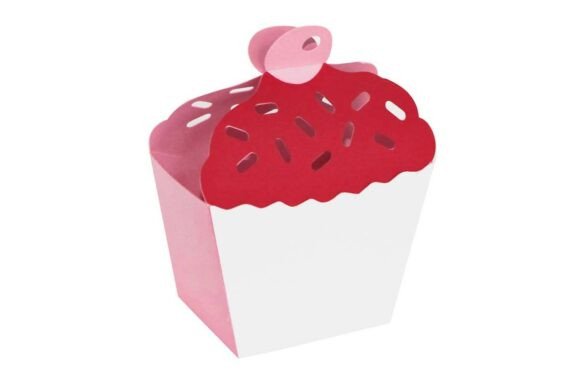
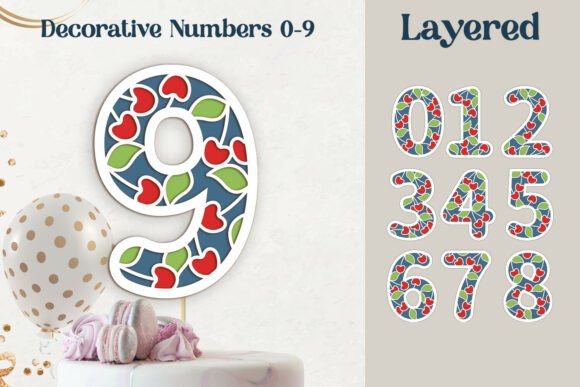
When I opened the preview for the Layered Decorative Numbers 3d Cherry, the mood was instantly established. It feels celebratory yet sophisticated. The inclusion of the cherry adds a playful pop of color that breaks the monotony of standard numerals. In the world of Birthdays, where designs often lean toward either childish cartoons or stark typography, this asset finds a sweet spot. The "3D" aspect comes from the layering strategy. Four layers allow for significant shadow play and dimensionality, which is crucial for creating a finished product that looks handcrafted rather than mass-produced.
The layout suggests a design that thrives on contrast. For an embroidery file to succeed with multiple layers, the negative space between the tiers must be precise. If the gaps are too tight, thread buildup can cause puckering. If they are too wide, the illusion of depth is lost. From my experience, this specific design appears to have calculated spacing, making it a strong candidate for custom apparel where visual impact drives sales.
A Real-World Scenario: The Custom Sweatshirt Project
To truly test the viability of the Layered Decorative Numbers 3d Cherry, let's imagine a real client request. A boutique owner approaches me to create a limited-run collection of heavyweight sweatshirts for a local bakery's anniversary. They want something that screams "celebration" but retains a premium feel. This is where the four-layer structure becomes a strategic asset.
I envision placing this design on the back yoke of a charcoal gray sweatshirt. Using a cream base layer for the number, followed by progressively darker shades of red and burgundy for the subsequent layers, and finally topping it off with a bright red satin stitch for the cherries, would create incredible depth. The fill stitch on the larger number sections needs to be dense enough to cover the dark fabric without bleeding through, while the satin stitch on the cherry stems requires a sharp, clean finish. In this context, the design transforms a basic garment into a collectible piece. Customers aren't just buying a shirt; they are buying a statement piece that stands out in a crowded feed of Etsy listings.
However, the success here relies heavily on the stitch density. Because we are dealing with four layers, the total stitch count will be higher than a single-line font. On a thick sweatshirt fleece, this weight could become an issue if not managed correctly. I would need to ensure the backing stabilizer is heavy-duty tear-away or cut-away to support the bulk of the thread without distorting the fabric.
Navigating Fabric and Hoop Constraints
While the Layered Decorative Numbers 3d Cherry is visually stunning, it is not a "one-size-fits-all" solution. As a professional, I must warn against using this on thin, stretchy fabrics like jersey knit t-shirts without significant reinforcement. The weight of four layers of thread can pull the fabric, causing the design to pucker or warp over time, especially after washing.
Hoop size is another critical factor. The dimensions of these numbers, combined with the surrounding cherries, likely require a medium to large hoop (at least 6x10 inches or 5x7 inches). Attempting to force this into a small 4x4 hoop would compromise the scale and potentially the clarity of the details. Furthermore, on textured fabrics like denim or canvas, the running stitch outlines might struggle to catch cleanly if the needle doesn't penetrate the weave consistently. Always test on scrap fabric first.
For items like embroidered patches or pillow covers, this design excels. The flat surface of a patch allows the layers to sit perfectly, creating a tactile, raised effect that customers love to touch. Similarly, on a kitchen towel or apron, the design adds a festive touch that elevates the item from a utility object to a decorative gift. However, for curved surfaces like caps, the four layers might be too bulky unless the cap is specifically designed for high-density embroidery.
Commercial Viability and Brand Consistency
For the small business owner or Etsy seller, the value of this design lies in its versatility and perceived quality. A well-executed multi-layered design signals professionalism. It tells the customer that you care about the details. When creating printable mockups for your shop, the 3D nature of the Layered Decorative Numbers 3d Cherry allows for dramatic lighting effects in your photos, increasing buyer engagement.
However, remember that this is a digital product intended for cutting machines like Cricut or Silhouette, as noted in the description. While the prompt mentions it is a 3D SVG for cutting, the review perspective here assumes adaptation for embroidery. If you are adapting an SVG cut file into an embroidery file, you must digitize it carefully. You cannot simply import an SVG into embroidery software and expect perfect results. The vector lines need to be converted into appropriate stitch types—fill stitch for the body and satin stitch for the edges—to maintain the integrity of the four layers.
Practical Designer Notes for Success
If you decide to incorporate the Layered Decorative Numbers 3d Cherry into your workflow, follow these practical steps to ensure a flawless result:
- Test on Scrap Fabric: Never skip the test run. Stitch the design on the same type of fabric you plan to use for the final product. Check for puckering, thread breakage, and registration issues between the four layers.
- Check Thread Colors: The visual impact depends on contrast. Ensure your thread colors differentiate each layer clearly. Subtle gradients work beautifully here, but avoid colors that blend too closely on the specific fabric background.
- Stabilizer is Key: Given the density of four layers, use a high-quality stabilizer. For knits, a cut-away stabilizer is non-negotiable to prevent stretching.
- Review Licensing: Before selling any handmade product featuring this design, confirm the licensing terms. Ensure you have the right to sell finished goods and understand any restrictions on commercial embroidery projects.
- Mockup in Black and White: Test the design in grayscale to see if the layers remain distinguishable without color. This helps identify potential visibility issues on monochromatic garments.
- Inspect Small Details: Pay close attention to the cherry stems and leaves. These tiny elements can easily get lost or misaligned if the machine tension is off.
In conclusion, the Layered Decorative Numbers 3d Cherry is a powerful tool for designers looking to elevate their personalized gift offerings. It moves beyond simple decoration to create a tactile, dimensional experience. Whether used for a holiday embroidery project, a baby embroidery milestone, or a craft business flagship item, its success hinges on proper execution. By respecting the technical requirements of multi-layer stitching and choosing the right substrates, you can turn this digital asset into a standout piece that builds trust and recognition for your brand.